The Alabama Attorney General’s Office and the social media platform TikTok reached a settlement Friday in a state lawsuit alleging the platform addicted children and misrepresented its safety. The agreement requires TikTok to pay $116 million to the state and establish new features aimed at protecting minor users across Alabama.
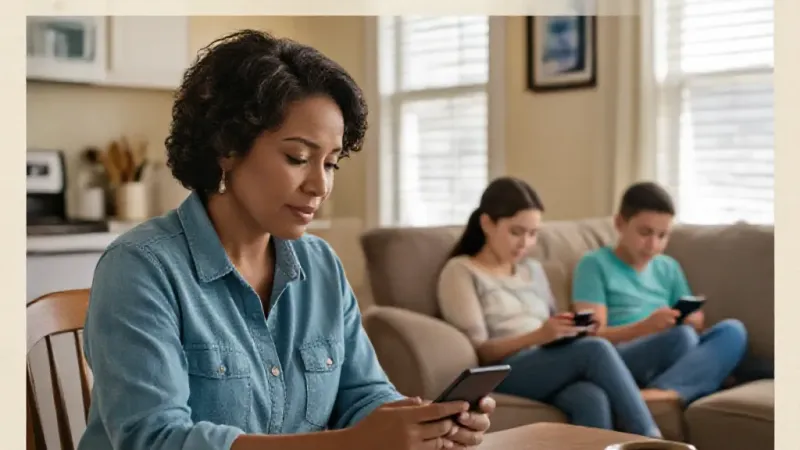
Under the terms, TikTok will prevent teens from accessing the platform between midnight and 6 a.m. by default. It will also provide educational resources to parents, allowing them to control the content their children view and gain insights into their activity on the site. Further restrictions will be imposed on minors’ access to inappropriate content, with protections created to prevent interactions with age-inappropriate accounts and ensure age-appropriate content recommendations. Parents will also be able to set daily time limits for their children, with a default of two hours per day starting at midnight.
Montgomery Circuit Judge Monet Gaines issued the consent decree, which formalizes the agreement. TikTok did not admit wrongdoing as part of the settlement.
Attorney General Steve Marshall stated Friday that it was a “great day” for Alabama parents, assuring them they can “rest easier” due to the new protections. Marshall added that TikTok has agreed to “give parents real control over what their kids see and how much time they spend on the app,” emphasizing the state's goal to stand up for Alabamians who have been harmed.
In response, TikTok released a statement affirming its priority has always been fostering a safe and positive space where users can be creative and connect with their community, adding that the agreement builds on its commitment to continually enhance its safety tools to protect teens.
The settlement follows a lawsuit filed by the Alabama Attorney General’s Office in April 2025, which accused TikTok of “fueling a mental health crisis among Alabama’s youth.” The suit alleged that TikTok’s “so-called ‘safety features’ are a joke” and amounted to a marketing ploy. The state’s complaint further claimed that TikTok used an algorithm designed to keep children on the site to sell advertising, leading to mental health harms, including self-harm and depression.
According to the lawsuit, the TikTok algorithm frequently exposed children to overtly mature and inappropriate content concerning alcohol, tobacco, drugs, sexual content, nudity, suicide, and eating disorders. The lawsuit asserted that this content, combined with the app’s addictive properties, was “distinctly harmful to the still-developing minds of children and damaging to the State’s future.”
TikTok had previously filed a motion to dismiss the lawsuit in June 2025. The company argued that its claims were barred by Section 230 of the Communications Decency Act, which provides immunity to interactive computer service providers regarding content posted by others. TikTok also cited the federal Child Online Privacy Protection Act (COPPA) to challenge the state's assertion that the platform retains user data, and argued for dismissal because the company was not based in Alabama.
Of the $116 million TikTok will pay to the state, $14.2 million is allocated for attorneys’ fees and $2 million for litigation costs. The remaining $100 million will be directed to the Alabama Attorney General’s Office for an unspecified purpose. Additionally, the settlement establishes a $183 million fund for contingency payments. Alabama could receive increments from this fund, such as $55 million if the attorney generals' offices from 10 other states formalize qualifying agreements, and another $55 million if an additional 10 states enter similar agreements. This statewide settlement comes approximately one month after TikTok reached a similar agreement with the federal government.