
The University of Alabama (UA) has been awarded a grant amounting to nearly $2 million, designated for the significant enhancement of medical care provided directly at the scene of emergencies. This substantial funding is aimed at improving real-time medical interventions for residents in rural areas, according to details released by the university. The initiative seeks to bring advanced medical support to where it is most needed, precisely when it is most critical, ensuring that first responders have immediate access to expert guidance.
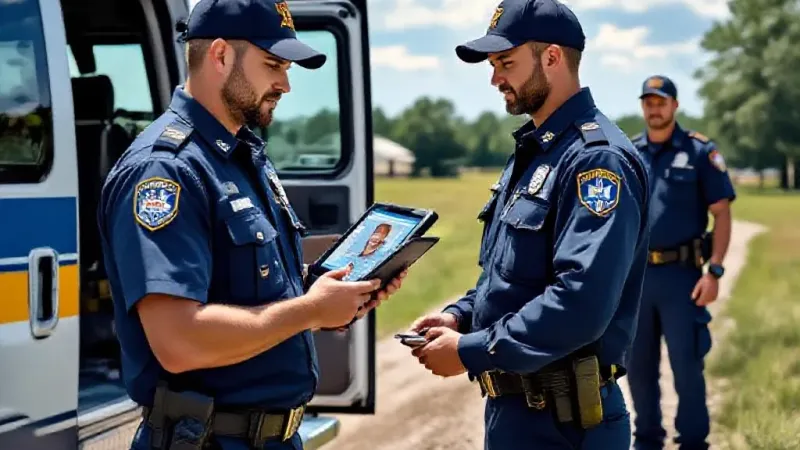
A core component of this grant involves supplying rural EMS ambulances and their dedicated paramedics with state-of-the-art telemedicine equipment. This technology will empower medical first responders to establish direct and effective communication channels with an on-call physician. This means paramedics on the ground can consult with a doctor, potentially sharing live information about a patient's condition, fostering a collaborative approach to immediate care. The overarching concept driving this implementation is a strategic effort to decrease the number of unnecessary trips to the emergency room, thereby optimizing healthcare resources and ensuring patients receive the most appropriate level of care.
Dr. Martha Crowther, who holds the position of associate dean for UA College of Community Health Sciences Research and Health Policy, provided insights into how this innovative process is slated to operate in real-time within the field. She elaborated that when paramedics are at an incident scene and need guidance, they will have the capability to contact one of the physicians made available through a collaboration between the College of Community Sciences and the university medical center. These physicians will be on standby to offer their expertise and support to the first responders facing critical decisions.
According to Dr. Crowther, this direct line of communication will facilitate crucial decision-making. Paramedics and the consulting physician will work together to assess the patient's condition thoroughly, determining if an emergency room visit is necessary or if treatment can be administered at the scene. This collaborative assessment is designed to streamline patient care, allowing for certain cases to be managed effectively without the need for transport to an emergency department. The system will operate within established protocols, with a specific focus on what Crowther described as "lower acuity cases." This means the program is primarily geared towards situations where immediate transport to an emergency room might not be the most efficient or necessary first step, emphasizing treatment at the scene or referral to alternative care pathways.
The scope of this vital grant extends its benefits across a significant portion of west Alabama, encompassing 13 different counties. This wide coverage area stretches geographically from Wilcox County to Marengo County, reaching numerous rural communities that will benefit from enhanced emergency medical services. By integrating telemedicine into rural EMS operations, the University of Alabama is taking a proactive step to elevate the quality of urgent medical care, reduce burdens on emergency rooms, and ultimately improve health outcomes for residents throughout these specified west Alabama counties. The initiative underscores a commitment to leveraging technology to bridge geographical gaps in healthcare access and expertise for emergency situations.